
From Mercury to Mars: The Legacy of War of the Worlds: What Happened Here? from Antenna

DOI: https://doi.org/10.59350/cz3w8-am233
Our ongoing series on the radio work of Orson Welles, From Mercury to Mars, continues this week on our partner blog Antenna with a post that explores the lack of innovation in American radio and its connection to public radio as an institution.
University of Wisconsin professor and senior radio historian Michele Hilmes explains these connections…
—

“Yet what happened to this legacy of innovation in American radio drama that Welles’
career so emphatically marks? We can trace the tradition of creative radio drama forward through the suspense serials of the 1940s and 50s, jump to the 1970s with Himan Brown’s CBS Mystery Theater – and then virtually nothing, certainly not on a regular basis, until we get to the present radio revival …”
[Reblogged from Antenna]
To catch up on our M2M series here are some links.
- Here is “Hello Americans,” Tom McEnaney‘s post on Welles and Latin America
- Here is Eleanor Patterson‘s post on editions of WOTW as “Residual Radio”
- Here is “Sound Bites,” Debra Rae Cohen‘s post on Welles’s “Dracula”
- Here is Cynthia B. Meyers on the pleasures and challenges of teaching WOTW in the classroom
- Here is Kathleen Battles on parodies of Welles by Fred Allen
- Here is Shawn VanCour on the second act of War of the Worlds
- Here is the navigator page for our #WOTW75 collective listening project
- Here is Josh Shepperd’s post, “War of the Worlds and the Invasion of Media Studies”
- Here is Aaron Trammell‘s remarkable mix of the thoughts of more than a dozen radio scholars on War of the Worlds
- Here is our podcast of Monteith McCollum‘s amazing WOTW remix
- Here is “Devil’s Symphony,” Jacob Smith‘s study of the “eco-sonic” Welles
Still to come in our series are works by A. Brad Schwartz, Murray Pomerance, Jennifer Hyland Wang, and Bill Kirkpatrick.
Share this:

Sounding Out! Podcast #20: The Sound of Rio’s Favelas: Echoes of Social Inequality in an Olympic City
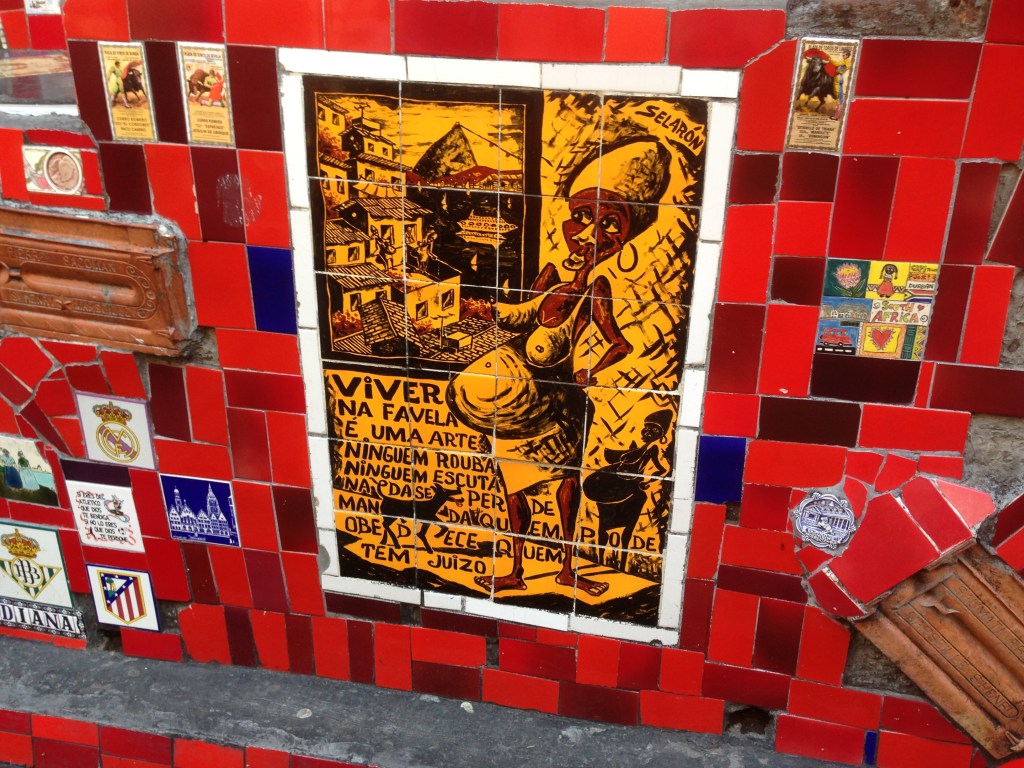
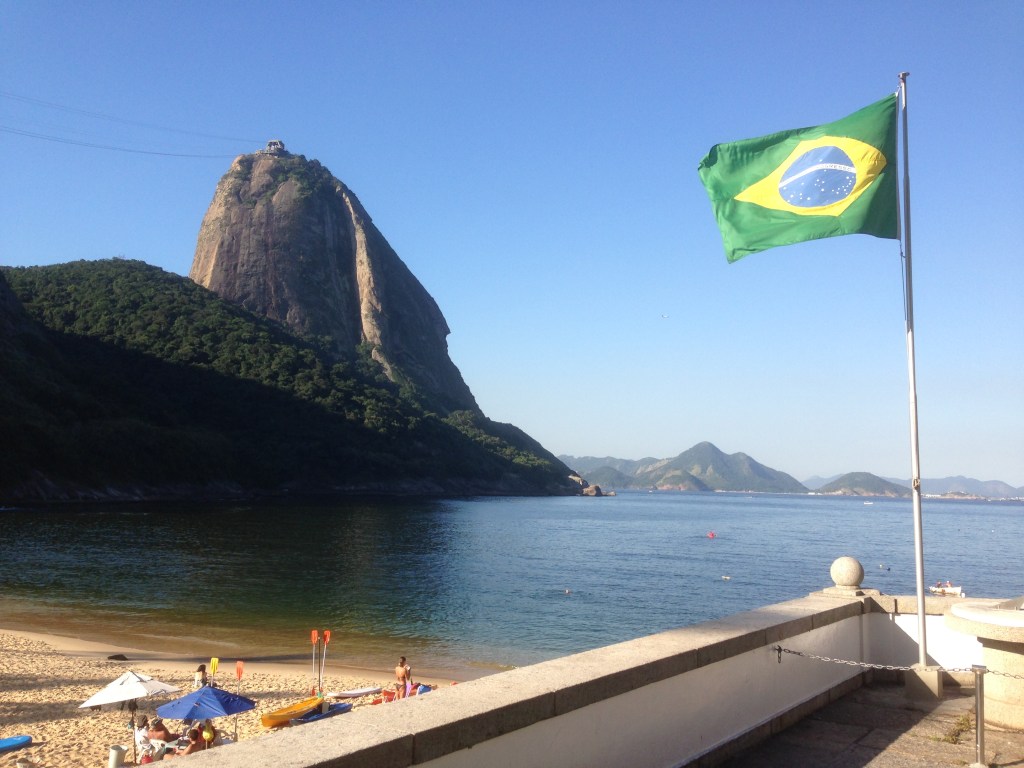
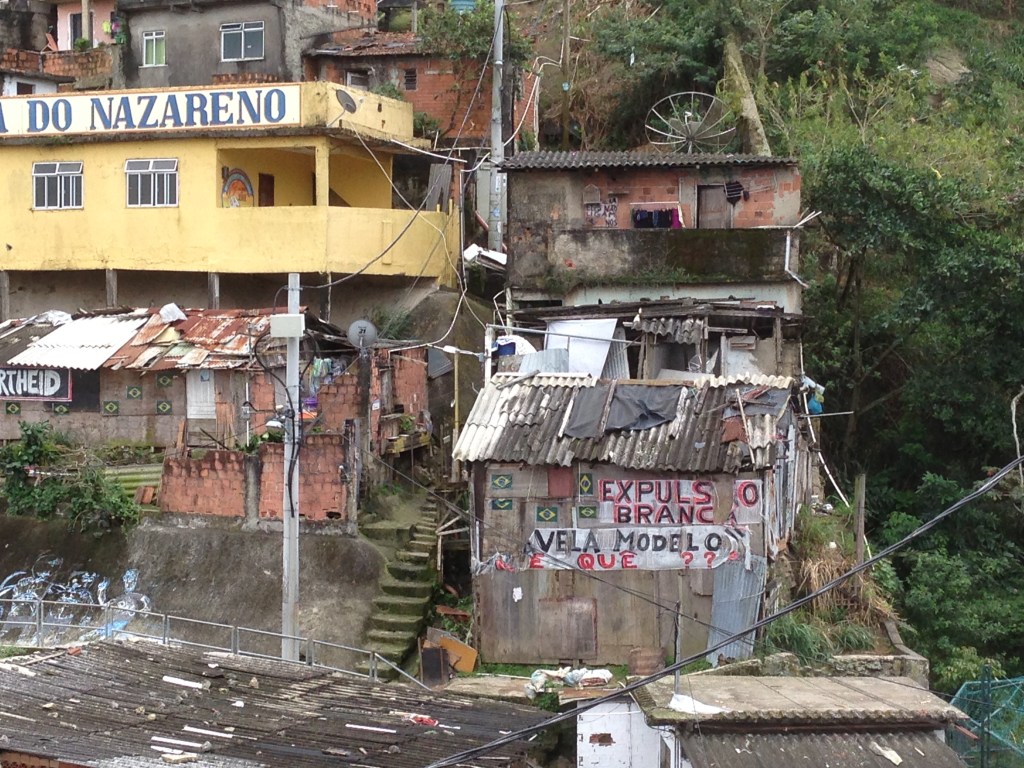
DOI: https://doi.org/10.59350/txrqz-zmw29
CLICK HERE TO DOWNLOAD: The Sound of Rio’s Favelas: Echoes of Social Inequality in an Olympic City
SUBSCRIBE TO THE SERIES VIA ITUNES
PODCAST TRANSCRIPT:

Join Andrea Medrado for a sound tour of Rio as she explores the nooks and crannies of the city’s favelas. Lingering ominously above the narrative is the sense of competition and gentrification which the Olympics will bring to the city itself. As the rivalry of sport comes to town, this podcast focuses on the many ways that the contours of sound have been engineered by the city to further isolate and pacify the city’s poorer residents. But, even as the Olympics churn sonic borders, Medrado keeps a keen ear to ground and points out moments of resistance, hope, and enchantment in the ‘marvelous city.’
Featuring: Andrea Medrado, Maria dos Camelôs, Maurício Hora, Renata Souza
–
Dr. Andrea Medrado is a Lecturer at the Media School of Bournemouth University in the UK. She has an extensive academic background in media studies as well as professional experience in advertising as a creative writer. Andrea is also an experienced ethnographer. Her current research delves into issues of social exclusion, analyzing the ways in which the favelas (slums or shanty towns) are featured in the “promotion” of Rio as an Olympic city to a global audience. One of the key questions is: how are the favelas making themselves heard during the preparations for the mega events through the sounds that the residents produce? Her doctoral thesis (University of Westminster, 2010) was an ethnographic study about the practices of daily listening in a Brazilian favela. Outside of academia, she has worked as a creative writer in both advertising agencies and a number of political campaigns in Brazil. Her research interests include auditory culture and sound studies, alternative and community media, political communications, and media ethnography. You can contact her at amedrado@bournemouth.ac.uk; ammedrado@hotmail.com.
Share this:




Current Top Posts





April 2021

January 2020

November 2019

October 2019

August 2019

April 2014

November 2017

March 2015

December 2017

October 2015


Recent Comments