
Sound at ASA 2013
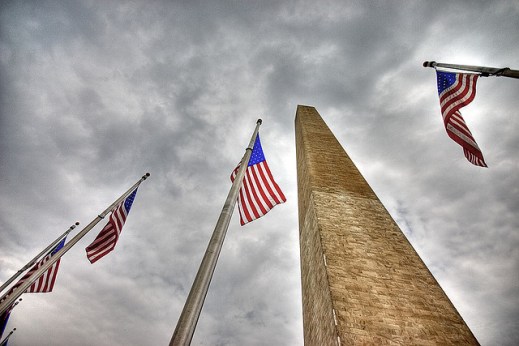
Although this year’s American Studies Association conference location is not as warm and sunny as last year’s (can we have all November conferences in warm, sunny places, please?), Washington DC has a lot to offer this year’s conference attendees. The title for this year’s annual meeting, which takes place from November 21 to November 24, 2013, is “Beyond the Logic of Debt, Toward an Ethics of Collective Dissent.” The focus on debt in all of its dimensions couldn’t be more timely, considering that the conference comes on the heels of a government shutdown that the United States is still getting over, in addition to formal and informal conversations about recovery. In this sense, Washington DC seems an ideal setting for the topic: it’s the center of many of these national conversations about debt.
It is no surprise then that, according to the co-chairs of this year’s programming committee, Roderick Ferguson, Lisa Lowe and Jodi Melamed, many of the panels chosen for this year’s ASA revolve around keywords such as “debt, obligation, ethics, collectivity, and dissent.” The focus on such topics may explain why there are less panels and papers that fall under Sound Studies. The connection between debt and sound may not be immediately apparent for some, which may either keep panels or papers that focus on sound out of the conversation. It may also be the case that the overall topic may not immediately resonate for those who work on or write about sound matters. Sound Studies is still staking its claim, loud and clear. For example, bright and early at 8:00 am on Thursday, November 21st, there’s the Sonic Lives of Debt panel, which looks at how debt is represented in music and sound in general. Another highlight from Thursday is one of two American Studies Journal panels, titled Chocolate Spaceship: Gender Politics and Afro-Futurism in Funk, with papers on Patti Labelle, Meshell Ndegeocello, and Roger Troutman.
For artists and scholars of Sound Studies, the conference theme summons Jacques Attali’s famed text, Noise: The Political Economy of Music. His theoretical arguments about music as an audible mirror of capitalism, a structured representation of noise, and a means of understanding “debt” through sound, serve as an academic companion to this year’s lineup of panels and papers that address sound. Some sound-related panels complicate ideas of “dissent” and “debt.” Sonic Ledgers of Dissent (Saturday, 4:00-5:45 pm), chaired by Deborah R. Vargas, focuses on dissent addresses not only the State (FBI), but also gay rapper Caushun, racial musical miscegenation, and Black/Brown alliances in Los Angeles.
However, it’s not just a matter of the connection of the theme with sound. Last year, SO! Editor-in-Chief Jennifer Stoever-Ackerman pointed out in her ASA 2012 conference round-up that there were less sound studies panels than other years, and suggested that this turn may indicate that the field is entering a moment of reflection. Stoever-Ackerman rightfully argues that academic presentations related to Sound Studies are moving beyond making the presence of the field known and moving toward engaging with sound on a deeper, more complicated level. Consider how some of the panels listed below may not be precisely about sound studies, but include a sound-oriented approach. The panel Debts of Spirit and Substance includes a paper that looks at songs of protest: Glenda Goodman’s “Unsung Songs of the ‘Swinish Multitude’: Transnational Tunes of Eighteenth-Century Political Protest.” Another example is Sunday’s Latinas/os Onscreen and On/Off Air: Rethinking Contemporary Media Audiences and Discourses panel, which includes a presentation by Dolores Inés Casillas titled “Lost in Translation: The Politics of Spanish-language Radio Ratings.” It is encouraging to see how cultural critiques also include sound as a way to analyze and understand cultural phenomena.
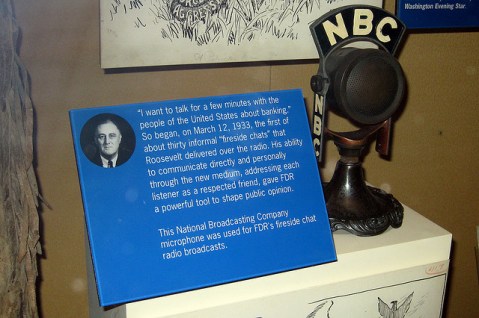
“Washington DC – National Museum of American History: Fireside Chat microphone” by Flickr user Wally Gobetz, CC BY-NC-ND 2.0
The ASA Sound Studies Caucus is bringing it this year with three panels that carry the caucus’s stamp of approval. The three panels (two on Friday and one on Saturday) address questions of listening, recording, and memory. The Friday panel at 2:30, chaired by Nicole Hodges Persley, is titled Sampling Phonographies: Sonic Memory and the Long History of Sampling and stars two SO! contributors: Gustavus Stadler (“Charles Chesnutt, Sonic Memory, and Racial Terror”) and Meghan Drury (“Across Time and Space: Hearing Sun Ra’s Egypt”). Each of the papers on this panel discuss the intimate relationship between music’s ritual of sampling and racial memory. That 2:30 presentation is immediately followed by Musical Debts: Appropriations, Reparations, or New Traditions?, chaired by Barry Shank. Shank participated in this year’s cross-blog (and only!) virtual IASPM-US Conference panel on popular music and Sound Studies, Sonic Borders Virtual Panel. Musical Debts explores how music trespasses across racialized, global boundaries for capitalist gains. On Saturday, you can catch the last of the SSC panels, on listening and community: Connected Listening: Re-imagining Community Through Sound. Chaired by Michelle Habell-Pallan, the papers in that panel delve into the role of listening for communities of color.
If you can’t make any of the sound studies panels, make sure to check out the ASA Sound Studies Caucus+Journal of Popular Music Studies Happy Hour Meet and Greet on Friday, November 22, 2013. We’re big fans of the work going on at JPMS, and we’re thrilled to see them partner up with the Sound Studies Caucus. The Caucus’s co-conveners, Roshanak Kheshti, Deb Vargas, SO!’s own Jennifer Stoever-Ackerman and D. Ines Casillas, welcome colleagues equally steeped in topic of sound to help build this important caucus. From the get go, this Caucus has set out to not only bring scholars together under the umbrella of sound but to also push ideas of gender, race, and sexuality as integral components of Sound Studies. Sadly, the editorial crew of SO! will not be present for this year’s SSC Happy Hour, but be sure to swing by and meet some of our guest writers who will be at Glen’s Garden Market from 5:30 to 7:00 pm!
Lastly, if you are not presenting at ASA, not attending the conference, or simply want to check in on the action, take a glance at the official Twitter hashtag #2013ASA . Hopefully we’ll get to meet you at the next ASA meeting: Los Angeles, 2014!
—
Please comment to let SO! know what you think–both before and after ASA 2013. If we somehow missed you or your panel in this round up, please let our Managing Editor know!: lms@soundingoutblog.com
—
This post was co-authored. Liana M. Silva-Ford is co-founder and Managing Editor of Sounding Out!. Dolores Inés Casillas is Assistant Professor in the Department of Chicana and Chicano Studies at UC Santa Barbara this fall. She writes and teaches on Latino media, language politics, and sound practices.
—
Featured photo: “Stormy Salute” by Flickr user Joey Gannon, CC BY-SA 2.0
—
“Robert A. Taft Memorial and Carillon” by Flickr user Cliff, CC BY 2.0
Jump to THURSDAY, NOVEMBER 21, 2013
Jump to FRIDAY, NOVEMBER 22, 2013
Jump to SATURDAY, NOVEMBER 23, 2013
Jump to SUNDAY, NOVEMBER 24, 2013
THURSDAY, November 21, 2013
8:00 am – 9:45 am
004. Debts of Spirit and Substance
Washington Hilton, C – Cardozo (T)
CHAIR: Elisa Tamarkin, University of California, Berkeley (CA)
PAPERS:
James Deutsch, Smithsonian Institution (DC)
In Debt to The Poor of New York: Dion Boucicault and the Panics of 1837/1857
Gino Conti, University of Southern California (CA)
Oh, I feel, I feel, I feel: Moravians, Wasted Labor, and the Afterlives of Enthusiasm
Glenda Goodman, University of Southern California (CA)
Unsung Songs of the “Swinish Multitude”: Transnational Tunes of Eighteenth-Century Political Protest
Tanja Aho, State University of New York, Buffalo (NY)
Wives and/as Debt: Women’s Lived Dissent in the Eighteenth Century
COMMENT: Elisa Tamarkin, University of California, Berkeley (CA)
007. Sonic Lives of Debt
Washington Hilton, F1 – Fairchild West (T)
CHAIR: Alexandra Theresa Vazquez, Princeton University (NJ)
PAPERS:
Ray Allen, City University of New York, Brooklyn College (NY)
Holy Ground: Woody Guthrie’s Unsung Lyrics
Elliott H. Powell, New York University (NY)
Sampling among the Margins: Hip Hop, Indian Film Music, and the Sonic Life of Debt
Joshua Jelly-Schapiro, University of California, Berkeley (CA)
Sound Nation Empire: Emory Cook’s “Sounds of Our Times”
Mark Krasovic, Rutgers University, Newark (NJ)
Steve Reich’s “Come Out” and the Sound of Evidence in the Long Hot Summers
COMMENT: Alexandra Theresa Vazquez, Princeton University (NJ)
014. Televising Multiculturalism and its Discontents
Washington Hilton, Georgetown East (C)
CHAIR: Sharon M. Leon, George Mason University (VA)
PAPERS:
Allison McCracken, DePaul University (IL)
Blind Auditions and Vocal Politics: Enacting and Exposing Vocal Essentialism on NBC’s The Voice
Janani Subramanian, Indiana University/Purdue University at Indianapolis (IN)
Mindy Kaling and Television Multiculturalism
Gregory Zinman, Georgia Institute of Technology (GA)
Nam June Paik and the Aesthetics of Interventionist Media
COMMENT: Sharon M. Leon, George Mason University (VA)
10:00 am – 11:45 am
019. Nineteenth-Century Public Lecturing, New Media, and Technologies of Orality
Washington Hilton, D – Du Pont (T)
CHAIR: Thomas Augst, New York University (NY)
PAPERS:
Carolyn Eastman, Virginia Commonwealth University (VA)
Speechless: America’s First Celebrity Orator and the Origins of Nineteenth-Century Platform Culture
Granville Ganter, Saint John’s University (NY)
Anne Laura Clarke, Lecturer on History, 1822–1835
Tom F. Wright, University of Sussex (United Kingdom)
How Silence Spoke for Lucy Parsons
COMMENT: Thomas Augst, New York University (NY)
2:00 pm – 3:45 pm
048. Song, Screen, Stomach: Cultural Debt and Transnational Italian Americanism
Washington Hilton, D – Du Pont (T)
CHAIR: Grace Hale, University of Virginia (VA)
PAPERS:
Joseph Sciorra, City University of New York, Queens College (NY)
“Core ‘ngrato,” a Wop Song: Mediated Renderings and Diasporic Musings
Benjamin Cawthra, California State University, Fullerton (CA)
Under the Volcano: Gordon Parks, the Bergman-Rossellini Romance, and Postwar U.S.-Italian Relations
John Gennari, University of Vermont (VT)
The Knife and the Bread, the Brutal and the Sacred: Family Trauma and Retaliatory Gastronomy in Louise DeSalvo’sCrazy in the Kitchen
COMMENT: Grace Hale, University of Virginia (VA)
050. American Studies Journal: Chocolate Spaceship: Gender Politics and Afro-Futurism in Funk
Washington Hilton, F1 – Fairchild West (T)
CHAIR: Randal Maurice Jelks, University of Kansas (KS)
PAPERS:
Tammy Kernodle, Miami University of Ohio (OH)
Deconstructing the Groove: Meshell Ndegeocello and the Politics of Funk in Post–Civil Rights America
Francesca T. Royster, DePaul University (IL)
Labelle: Funk, Afrofuturism, Feminism and the Politics of Flight and Fight
Scot Brown, University of California, Los Angeles (CA)
Roger Troutman and Blues Afrofuturism
COMMENT: Randal Maurice Jelks, University of Kansas (KS)
4:00 pm – 5:45 pm
077. Transpacific Dissent
Washington Hilton, Monroe (C)
CHAIR: Yu-Fang Cho, Miami University of Ohio (OH)
PAPERS:
Chris Suh, Stanford University (CA)
Beyond the Logic of International Indemnity: How an American-educated Korean Became an Anti-American Leader
Fritz Schenker, University of Wisconsin, Madison (WI)
Imperial Producers: Filipino Jazz Musicians in 1920s Colonial Asia
Elizabeth Son, Northwestern University (IL)
Monuments of Dissent: Transpacific Memorializations of Sexual Slavery and Social Justice Struggles
Jennifer Sun Kwak, University of Michigan, Ann Arbor (MI)
Spam, Sex Work, and U.S. Militarism: Consumption and Conscriptions of Empire in Nora Okja Keller’s Fox Girl
COMMENT: Yu-Fang Cho, Miami University of Ohio (OH)
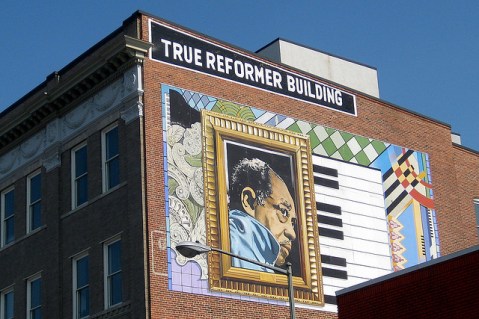
“Washington DC – Shaw – U Street Corridor: True Reformer Building” by Flickr user Wally Gobetz, CC BY-NC-ND 2.0
FRIDAY, NOVEMBER 22, 2013
2:00 pm – 3:45 pm
144. Caucus – Sound Studies: Sampling Phonographies: Sonic Memory and the Long History of Sampling
Washington Hilton, Columbia Hall 9 (T)
CHAIR: Nicole Hodges Persley, University of Kansas (KS)
PAPERS:
Gustavus Stadler, Haverford College in Pennsylvania (PA)
Charles Chesnutt, Sonic Memory, and Racial Terror
Alexander William Corey, University of Colorado, Boulder (CO)
Collaborative Sampling: The John Coltrane Quartet’s Favorite Thing
Meghan Drury, George Washington University (DC)
Across Time and Space: Hearing Sun Ra’s Egypt
Jack Hamilton, Harvard University (MA)
Making Beats, Making Wakes: Loss, Memory, and Style in the Music of RZA and DJ Premier
COMMENT: Nicole Hodges Persley, University of Kansas (KS)
4:00 pm – 5:45 pm
160. Caucus – Sound Studies: Musical Debts: Appropriations, Reparations, or New Traditions?
Washington Hilton, Columbia Hall 9 (T)
CHAIR: Barry Shank, Ohio State University, Columbus (OH)
PANELISTS:
Kirstie Dorr, University of California, San Diego (CA)
Sumanth Gopinath, University of Minnesota, Twin Cities (MN)
Roshanak Kheshti, University of California, San Diego (CA)
COMMENT: Jonathan Sterne, McGill University (Canada)
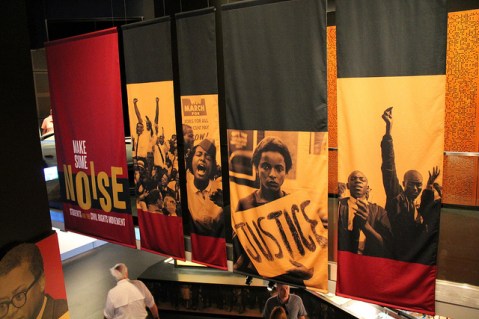
“50.MakeSomeNoise.Newseum.NW.WDC.17August 2013” by Flickr user Elvert Barnes, CC BY-SA 2.0
SATURDAY, NOVEMBER 23, 2013
8:00 am – 9:45 am
180. Caucus – Early America Matters: Commons Democracy
Washington Hilton, F1 – Fairchild West (T)
CHAIR: Dana Nelson, Vanderbilt University (TN)
PAPERS:
Joanna Brooks, San Diego State University (CA)
Why We Left: Archives of Common Memory, Martial Power, and Peasant-Class Anglo-American Communities
Elizabeth Maddock Dillon, Northeastern University (MA)
Performative Commons in the Atlantic World
Melissah Pawlikowski, Ohio State University, Columbus (OH)
Endeavors for The Common Good: The Communitarian Foundation of Frontier Republicanism and the Populist Push West
COMMENT: Dana Nelson, Vanderbilt University (TN)
181. Repudiating Debt Across the Americas: Latinidades, Embodied Performance, and the Archive as Site of Contestation
Washington Hilton, F2 – Fairchild East (T)
CHAIR: Ernesto Javier Martínez, University of Oregon (OR)
PAPERS:
Magdalena Barrera, San Jose State University (CA)
Refusing Pedagogical Debts: Mexican Women in the Verbal and Visual Archives of Americanization
Laura G. Gutiérrez, University of Arizona (AZ)
Sell Your Love Steep: Prostitution, Indebtedness, and other Transnational Transactions in Rumbera Iconography
Marisol Negron, University of Massachusetts, Boston (MA)
Tributo a “El Cantante”: The Making and Unmaking of Héctor LaVoe’s Abjection
Micaela Díaz-Sánchez, Mount Holyoke College (MA)
From the Page to the Stage and Screen: Queer Chicana Cultural Production, Spectatorship, and Community
COMMENT: Ernesto Javier Martínez, University of Oregon (OR)
193. American Studies Journal: Groove Theory: Funk, Feminism, and Afro-Beat
Washington Hilton, Monroe (C)
CHAIR: Deborah Whaley, University of Iowa (IA)
PAPERS:
Nikki A. Greene, Wellesley College (MA)
Don’t Call Her No Tramp: The Feminist Funk Power of Betty Davis and Renée Stout
Tony Bolden, University of Kansas (KS)
Groove Theory: A Vamp on the Epistemology of Funk
Alex Stewart, University of Vermont (VT)
Funky Drummer: Fela Kuti, James Brown, and the Invention of Afrobeat
COMMENT: Deborah Whaley, University of Iowa (IA)
12:00 pm – 1:45 pm
222. ASA Artist in Residence Ricardo Dominguez: Disturbance Research Lab: Digital Disobedience (Practicum)
Washington Hilton, International Ballroom West (C)
2:00 pm – 3:45 pm
246. ASA Women’s Committee: Critical Conjunctures of Debt: Women of Color, Healthcare Disparities, and Advocacy
Washington Hilton, Jefferson West (C)
CHAIR: Alondra Nelson, Columbia University (NY)
PAPERS:
Shirley Tang, University of Massachusetts, Boston (MA)
Invisible Debt: Digitizing and Voicing The Health Disparities and Experiences of Asian American Women
Jacki Rand, University of Iowa (IA)
Native Dissent and Debts of Imperialism: Choctaw Women, Violence, and Health Disparity in the Southeast
Koritha Mitchell, Ohio State University, Columbus (OH)
Pay Yourself First and Pay it Forward: The Black Girls RUN! Project
COMMENT: Alondra Nelson, Columbia University (NY)
4:00 pm – 5:45 pm
258. Caucus – Sound Studies: Connected Listening: Re-imagining Community Through Sound
Washington Hilton, Columbia Hall 9 (T)
CHAIR: Michelle Habell-Pallan, University of Washington, Seattle (WA)
PAPERS:
Jessica Schwartz, Columbia University (NY)
No Longer Can I Stay, It’s True: The Politics of Hearing Harmony in Marshallese “Free Association” Diaspora
Kevin Fellezs, Columbia University (NY)
You Listen But Don’t Ask Question: Listening for the Sounds of Hawaiian-ness
Eric Porter, University of California, Santa Cruz (CA)
Bill Dixon’s Voice
COMMENT: Michelle Habell-Pallan, University of Washington, Seattle (WA)
263. Sonic Ledgers of Dissent
Washington Hilton, Jefferson West (C)
CHAIR: Deborah R. Vargas, University of California, Riverside (CA)
PAPERS:
Andreana Clay, San Francisco State University (CA)
Searching for Caushun: Homo Thuggery and the Search for Queer Black Masculinity
Gaye Theresa Johnson, University of California, Santa Barbara (CA)
The Future has a Past: Spatial Entitlement, Race, and Cultural Expression in Black and Brown Los Angeles, 1940–Present
Sherrie Tucker, University of Kansas (KS)
Following the State on the Dance Floor of the Nation: The FBI at the Hollywood Canteen
Shana Redmond, University of Southern California (CA)
All Around the World, Same Song: The Trials of Black Musical Genre and Racial Solidarity in the Twentieth Century
COMMENT: Herman Gray, University of California, Santa Cruz (CA)
“Washington DC_cherry blossoms on the Tidal Basin” by Flickr user robposse, CC BY 2.0
.
SUNDAY, NOVEMBER 24, 2013
8:00 am – 9:45 am
288. Folklorization on the National Mall: Representations of Culture through the Smithsonian Folklife Festival
Washington Hilton, Georgetown West (C)
CHAIR: William S. Walker, State University of New York, College at Oneonta (NY)
PAPERS:
Virginia Myhaver, Boston University (MA)
Institutionalizing the Folk: Emergent Neo-Liberalism and the Mixed Legacy of the Bicentennial Folklife Festival
Jesse Pearlman Karlsberg, Emory University (GA)
Participation on Folklore’s Terms: Sacred Harp Singing at the 1970 Smithsonian Festival of American Folklife
Olivia Cadaval, Smithsonian Institution (DC)
Negotiating Cultural Representations through the Smithsonian Folklife Festival
Diana Baird N’Diaye, Smithsonian Institution (DC)
Curating Crucial Conversations about Twenty-first-Century African American Diversity at the Smithsonian Folklife Festival
COMMENT: William S. Walker, State University of New York, College at Oneonta (NY)
10:00 am – 11:45 am
300. Latinas/os Onscreen and On/Off Air: Rethinking Contemporary Media Audiences and Discourses
Washington Hilton, D – Du Pont (T)
CHAIR: Mari Castañeda, University of Massachusetts, Amherst (MA)
PAPERS:
Jillian Báez, City University of New York, College of Staten Island (NY)
Losing Weight, Balancing, and Aging: Intergenerational Readings of the Mediated Latina Body
Dolores Inés Casillas, University of California, Santa Barbara (CA)
Lost in Translation: The Politics of Spanish-language Radio Ratings
María Elena Cepeda, Williams College (MA)
Latinidad as Transnational Marketing Construct and Performative Category: Latina/o Youth Interpret Los Tigres del Norte and Calle 13’s “América”
Hannah Noel, University of Michigan, Ann Arbor (MI)
Imagining NPR’s National Publics: Latinas/os and Neoliberal Models of Social Regulation
COMMENT: Mari Castañeda, University of Massachusetts, Amherst (MA)

“Washington DC Day 2 – a bit blurry” by Flickr user H. Michael Miley, CC BY-SA 2.0
Share this:

Soundscapes of Narco Silence
DOI: https://doi.org/10.59350/pkf6t-ghy89
Since the drug war began, the lives of approximately 95,000 people have been claimed, with an estimated total of 26,000 disappearances (“Continued Humanitarian Crisis at the Border” June 2013 Report). At the University of Texas, Pan American – an institution located 25 miles north of Reynosa, Mexico (a Mexican city that has been hard hit by drug violence in recent years) – I teach students who have been dramatically impacted by drug war violence. Many have close relatives affected or hear horrific stories of those who have been kidnapped by the cartels; many fear traveling to Mexico to visit loved ones as a result and, in some cases, they report having relatives involved in the drug cartel business. Dinorah Guerra, psychotherapist and head of the Red Cross in Reynosa, describes the devastating psychological and physical toll: “There is a huge risk for people’s self esteem. They cannot speak about what they have seen or what they have heard. [They] lose [themselves] and lose [their] identity” (qtd. in Pehhaul 2010).
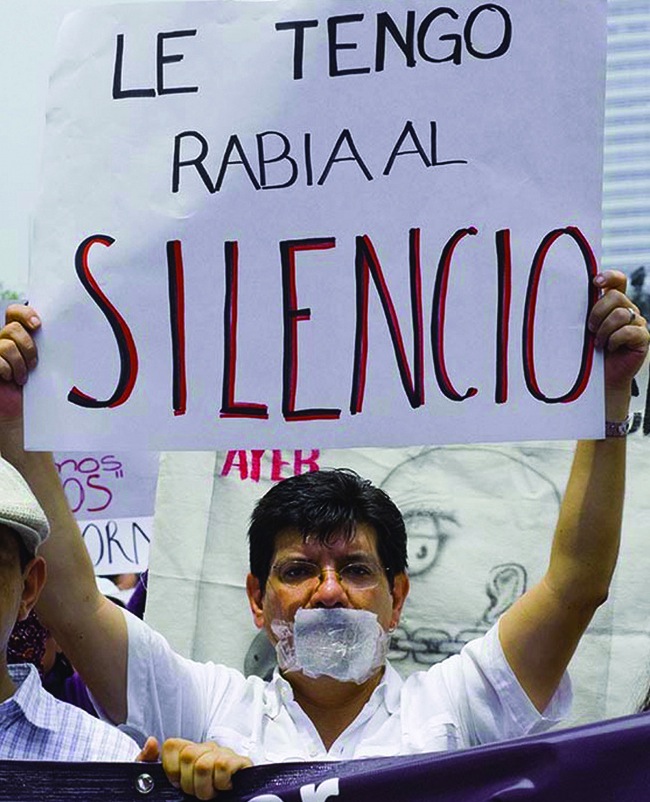
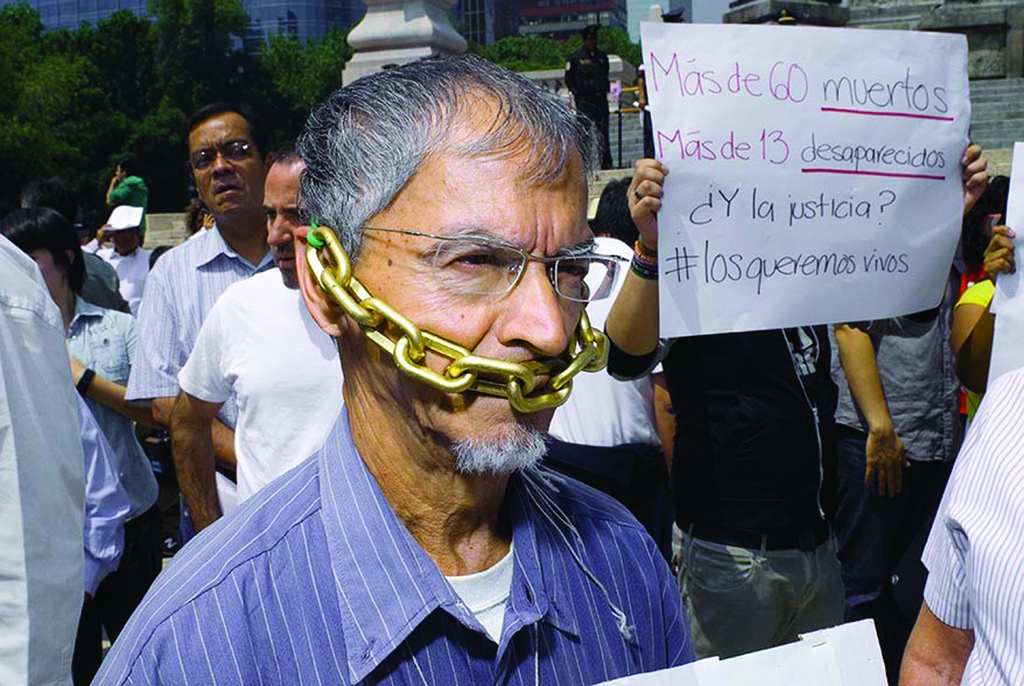
I name the space of the drug war and its resulting terror in the U.S.-Mexico border the “soundscape of narco silence.” This soundscape includes death and intimidation, from the brutal killings of news reporters by cartel members to the decapitation of citizen-activists who use online media to alert communities of narco checkpoints. It also consists of those powerful acts that call attention to silence as a tactic of terror. The Movement for Peace with Justice and Dignity, for instance, brought together tens of thousands of people in Mexico to speak out against drug violence through silent marches. Cultural productions, such as narcocorridos, or contemporary drug ballads that document the cross-border drug economy, also become part of the soundscape. The narcocorridos function as a powerful critical response to silence and fear because they enable those in Mexican society, as Jorge Castañeda, author of El Narco: La Guerra Falllida, explains, “to come to terms with the world around them, and drug violence is a big part of that world. The songs are born out of a traditional Mexican cynicism: This is our reality, we’ve gotten used to it” (Qtd. in Josh Kun 2010).
In this blog post, I focus on the role of U.S. Latina/o theater produced in the South Texas border region as it responds to the soundscape of narco silence. Building on David W. Samuels, Louis Meintjes, Ana Maria Ochoa, and Thomas Porcello’s definition of “soundscapes” in “Soundscapes: Towards a Sounded Anthropology” as “the material spaces of performance and ceremony that are used or constructed for the purpose of propagating sound” (330), I suggest that soundscapes of silence in theater function as material spaces of performance that focus the public’s attention on silence – with the intent of intervening in acts that propagate silence and fear. Soundscapes of narco silence are characterized not only by violence and terror, but by cultural productions that function as forms of critical resistance – those works that focus the publics’ attention on the economy of silence and fear that fuels the drug war, and in the process, enable communities to cope with narco violence.
To closely listen to the soundscape of narco silence, I engage with the play script and production of Tanya Saracho’s play El Nogalar at South Texas College Theatre (STC) under the direction of Joel Jason Rodriguez in McAllen, Texas in June 2013. The play was first produced at the Goodman Theater in Chicago in April 2011, with a West Coast premiere at the Fountain Theater in Los Angeles in January 2012. I critically analyze the STC Theatre production’s incorporation of a multi-genre soundtrack that included narcocorridos, rancheras, and nortec (norteño + techno). I argue that this soundtrack focused audiences’ attention not only on the devastating effects of silence, but also the function of silence as a form of capital for those most excluded in society. I also offer a brief critical listening of the script’s rendering of silence through character dialogue and stage directions.
El Nogalar tells the story of an upper-class Mexican family comprised of three generations of women (Maité, Valeria, and Anita) whose land and home in the fictionalized estate of Los Nogales in Nuevo Leon, Mexico, and its adjacent nogalar (pecan orchard), are under threat by the maña (drug cartels) moving into the region. The play focuses on the women’s responses to the drug war economy as a result of their different relationships to home (both their estate and the space of Mexico). It also centers the experiences of Dunia, their maid, and López, a former field worker who now works for the maña.
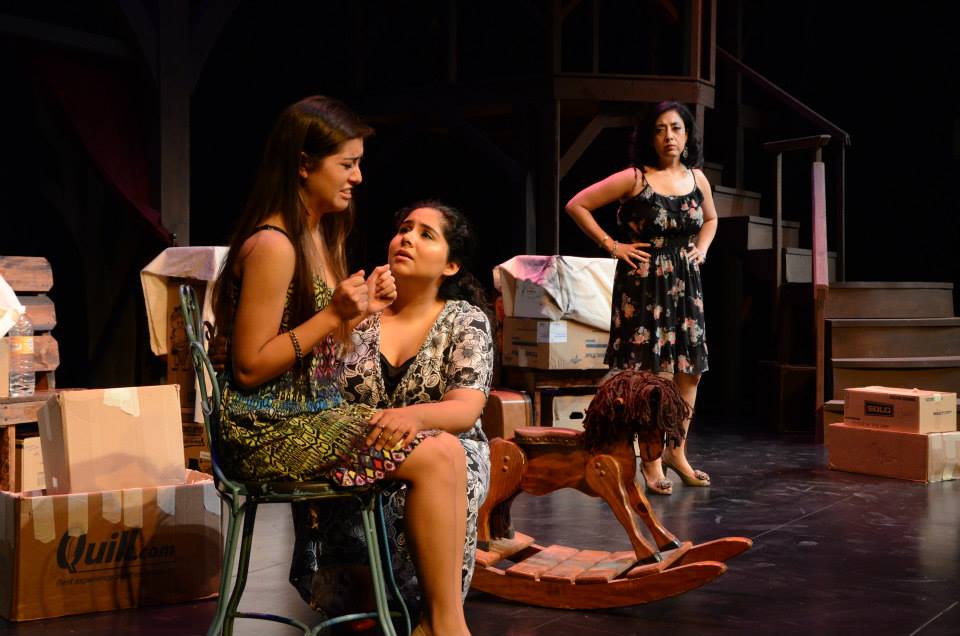
Cecilia Ballí, in her article “Calderón’s War: The Gruesome Legacy of Mexico’s Antidrug Campaign,” explains the particular circumstances of marginalized men in this society: “The worst casualties of this ‘civil war’ were the estimated 7 million young men to whom society had closed all doors, leaving them the options of joining a drug gang or of enlisting in the military, both of which assured imprisonment of death” (January 2012, 48). With the characters López and Dunia, the play asks audiences then to listen to the impact of the drug war on the most vulnerable populations in Mexico and the US-Mexico border region.
The play script conveys how “narco silence” can be used by those who either seek to preserve traditional class hierarchies (the story of the matriarch Maité) or to survive and profit in the new drug economy (the story of López). “Narco silence,” a term coined by reporter Jonathan Gibler in his book To Die in Mexico, refers to “not the mere absence of talking, but rather the practice of not saying anything. You may talk as much as you like, as long as you avoid the facts. Newspaper headlines announce the daily death toll, but the articles will not tell you anything about who the dead were, who might have killed them or why. No detailed descriptions based on witness testimony. No investigation” (2011, 23). In an early exchange between López and Dunia, López defends “narco silence” as a strategy of survival:
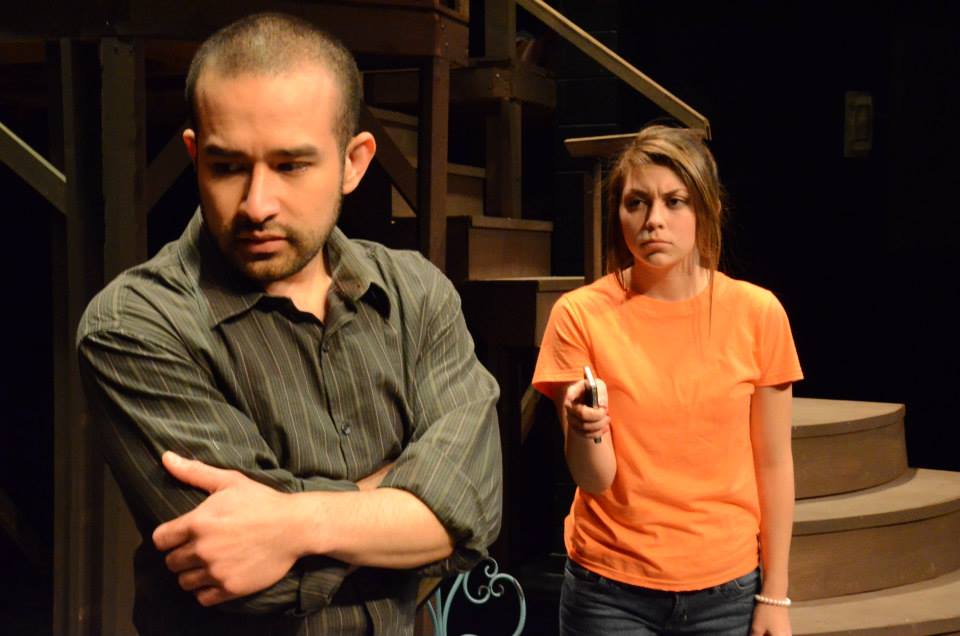
DUNIA: Why are you the only one they leave alone, Memo?
LÓPEZ:….
DUNIA: All the men your age. Killed. Why Memo? (Beat).
LÓPEZ: Because I know when to keep my mouth shut which is not something I can say for you….
DUNIA: So that’s all it takes to be best of friends with the Maña? That doesn’t seem so hard to do? (American Theatre Magazine July/August 2011, 74).
Later in the play, Dunia, heeding López’s advice, offers a powerful observation of how “narco silence” enables her community to cope with death: “We all just walk around like we’re a movie on mute. You can see people’s mouths moving but all you hear is the static (my italics)” (American Theatre Magazine July/August 2011, 73-74).
The STC Theatre production enhanced the script’s soundscape of narco silence through its sound design, with a soundtrack that included rancheras, narcocorridos, norteño and nortec. This music provided audiences with a connection to the world of Los Nogales and captured each character’s process of coping with narco violence. For example, Maité’s soundtrack consists of several rancheras, such as Lola Beltran singing “Los Laureles” and Chavela Vargas’s powerful rendition of “Que te vaya Bonito.” Beltran’s “Los Laureles” – a cancion ranchera that includes Beltran’s powerful female vocals and mariachi orchestra instrumentation – invites audiences to hear Maité’s nostalgia and desire for an idealized Mexican society and her wish to preserve traditional class hierarchies.
.
Vargas’s powerful rendition of “Que te vaya Bonito” captures Maite’s pain and suffering as she loses her home to the cartels. In Vargas’s version of “Que te Vaya Bonito” – a song about love and abandonment – audiences hear Vargas’s choking and sobbing voice, accompanied by a single guitar.
.
Vargas’s voice conveys, what Lorena Alvarado powerfully argues, is “the body’s dilemma between the hysteria of sobbing and the intelligibility of words, between resignation and retribution” (2010, 4). Vargas’s powerful singing also conveys, as Alvarado further describes, “un nudo en la garganta,” a common expression in Spanish that describes “the knot in the throat, when one cannot speak because words will not come out, but the desperate, or quiet, breath of tears” (Alvarado 2010, 5).
To sonically register the drug cartel economy and lifestyle underlying the “new” Los Nogales, the soundtrack also included narcocorridos. The first sounds we hear in the play are from the narcocorrido “El Carril Número Tres” – which includes two acoustic guitars and an electric bass – by Los Cuates de Sinaloa.
.
“El Carril Número Tres” – tells the story of a secret “lane number three” that allows a Mexican drug lord to freely go back and forth between the US and Mexico because he makes a deal with the CIA and DEA. With this focus on the US government’s involvement in the drug trade, the song centers how silences north of the US-Mexico border have perpetuated drug violence.
The music also included nortec, with songs by the Mexican Institute of Sound, particularly the track “Mexico,” which is a critique of the Mexican government’s complicity with the narcos.
.
With “Mexico,” audiences hear a fusion of norteño, electronic, and hip-hop with lyrics that use the symbols of Mexican national identity and culture to focus the public’s attention on violence and terror. With the lyrics “green like weed, white like cocaine, red your blood” (referencing the Mexican flag) and “at the sound of the roar of the cannon” (alluding to the national anthem), the song powerfully invokes the visual and sonic soundscape of violence that terrorize Mexican residents. With this charged critique of government corruption, “Mexico” momentarily interrupts the soundscape of narco silence rendered in the play script and rest of the soundtrack.
Ultimately, the production’s combination of rancheras, narcocorridos, and nortec captured the class tensions in Mexican society and emphasized the play’s critique of class structures that have enabled drug war violence to persist. With this range of music, the director explains he wanted to “maneuver between the [various] aspects of [the story]: the nostalgia, the corridos, the narcocorridos, and also this fusion of saying ‘we want something more,’ and so that was the whole aspect of it; the blending of the old, the new, and what the present is” (Interview with author July 2013).
The production also deliberately incorporated the sound of silence, particularly in the final scene. By the end, López buys the Los Nogales estate, thereby increasing his class status and social power. Saracho’s stage directions in this final moment indicate “an interpretive sound of trees falling. Now don’t go cueing chainsaws because it’s not literal. Just make me feel trees are falling. Along with the upper class” (87). The play’s reference to the staging of “an interpretive sound of trees falling” brings to mind the philosophical question: “If a tree falls in a forest and no one is around to hear it, does it make a sound?” We might then interpret the final sounds of El Nogalar as inviting audiences to listen attentively to the soundscape of narco silence, implicating audiences as social actors in the politics of the drug war that continue to devastate Mexican society.
—
Featured Image: Journalists Protest against rising violence during march in Mexico, Courtesy of the Knight Foundation
—
Marci R. McMahon received her Ph.D. from the University of Southern California with affiliations in the Department of American Studies and Ethnicity. She is an assistant professor at the University of Texas, Pan American, where she teaches Chicana/o literature and cultural studies, gender studies, and theater and performance in the Departments of English and Mexican American Studies. She is the author of Domestic Negotiations: Gender, Nation, and Self-Fashioning in US Mexicana and Chicana Literature and Art published by Rutgers University Press’ Series Latinidad: Transnational Cultures in the United States (May 2013). Her essays on Chicana literature and cultural studies have been published in Aztlán: A Journal of Chicano Studies; Chicana/Latina Studies: The Journal of MALCS; and Frontiers: A Journal of Women’s Studies. Her second book project, Sounding Latina/o Studies: Staging Listening in US Latina/o Theater explores how contemporary Latina/o drama uses vocal bodies and sound to engage audiences with recurring debates about nationhood, immigration, and gender.
—

REWIND! . . .If you liked this post, you may also dig:
Listening to the Border: “’2487’: Giving Voice in Diaspora” and the Sound Art of Luz María Sánchez–D. Ines Casillas
Quebec’s #casseroles: on participation, percussion and protest–Jonathan Sterne
Deejaying her Listening: Learning through Life Stories of Human Rights Violations— Emmanuelle Sonntag and Bronwen Low
—
Share this:




Current Top Posts





April 2021

January 2020

November 2019

October 2019

August 2019

April 2014

November 2017

March 2015

December 2017

October 2015
 Sounding Out!
Recent Comments